
Villa N
Katja Pargger restores a 1930s Parisian house once owned by a pointillist painter
Date
December 2, 2025
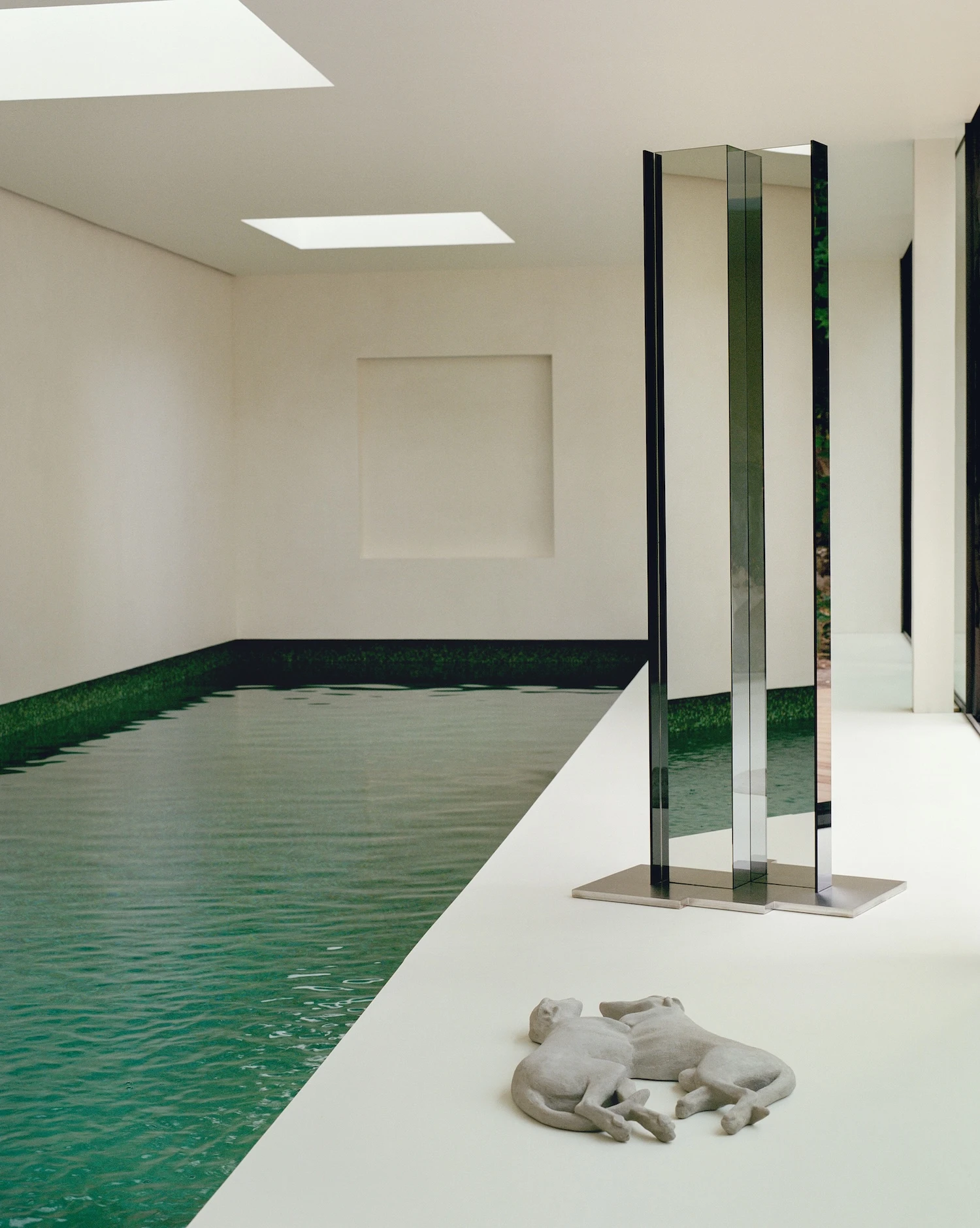
Katja Pargger found the house in Paris’s 16th arrondissement hidden behind decades of uncontrolled greenery. She cleared just enough to reveal the original 1930s volume, then rebuilt the relationship between building and garden around controlled glimpses rather than full exposure.
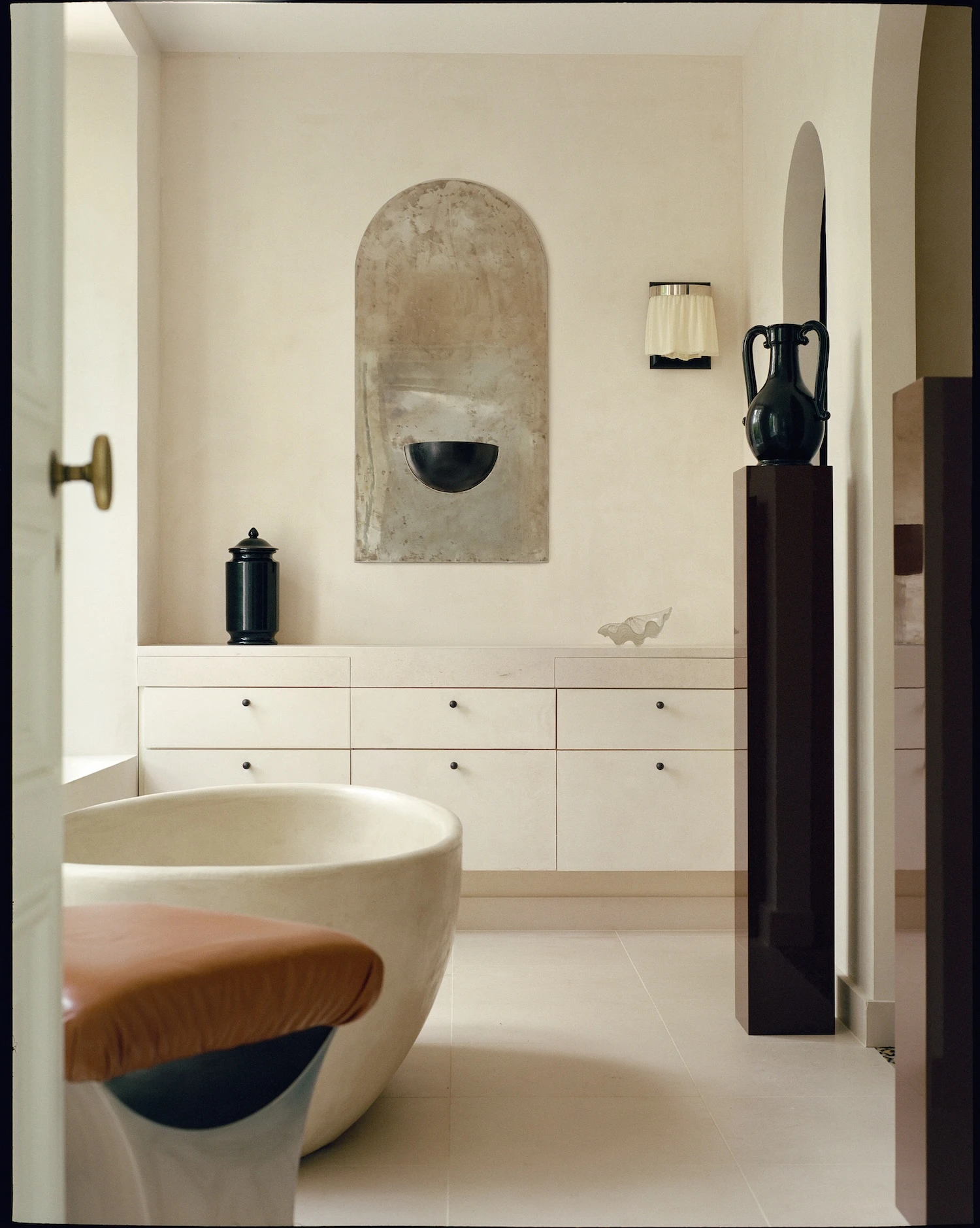
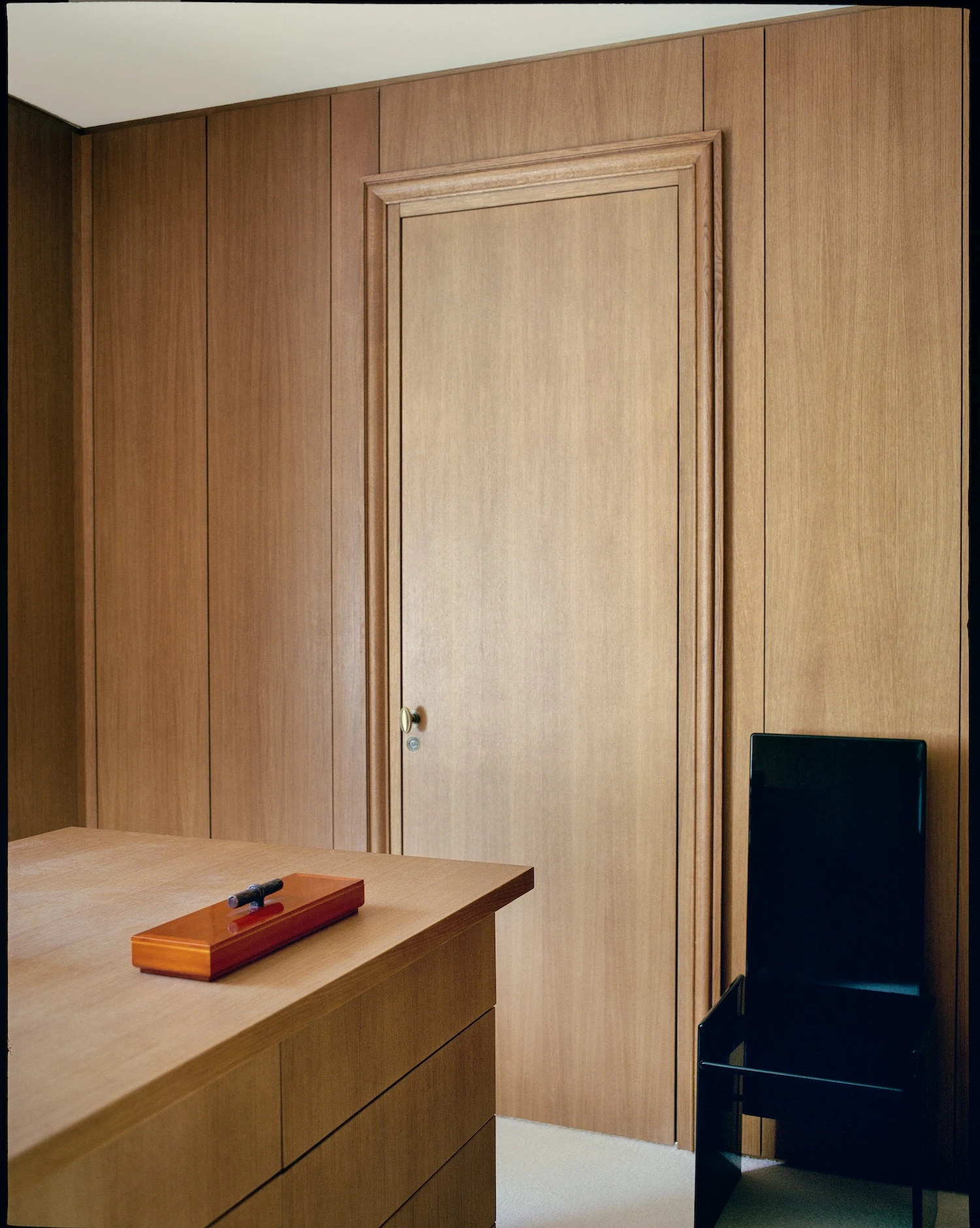
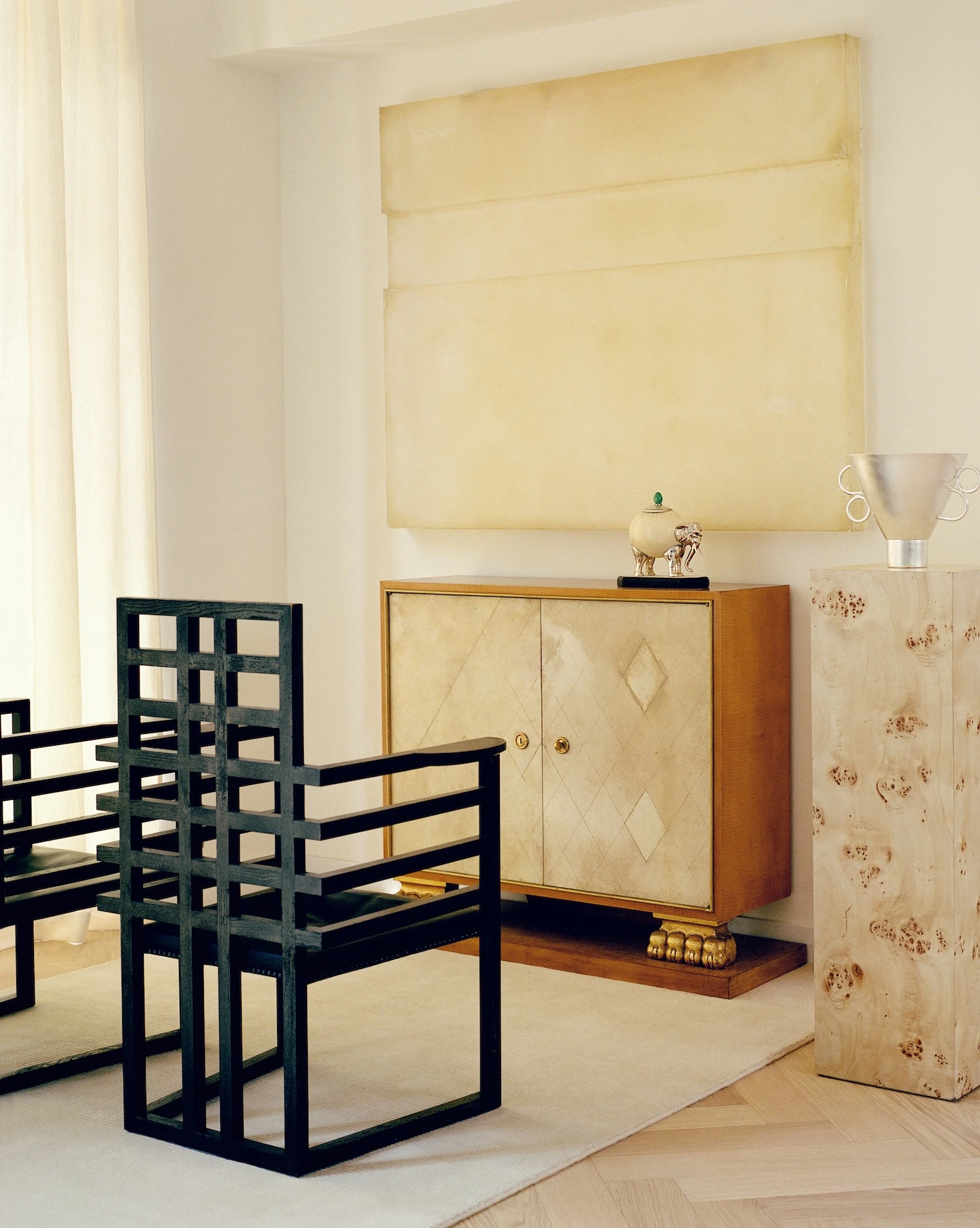
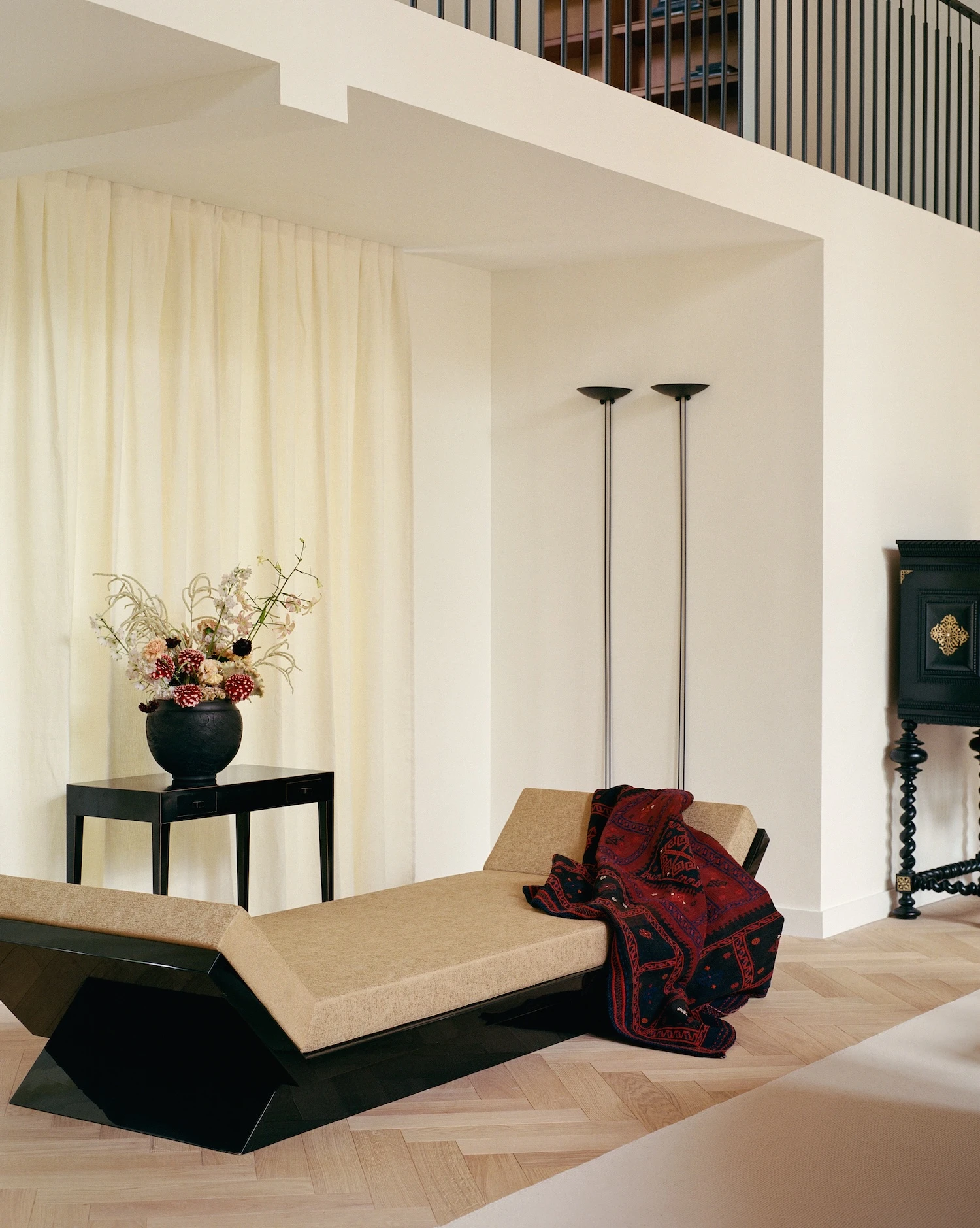
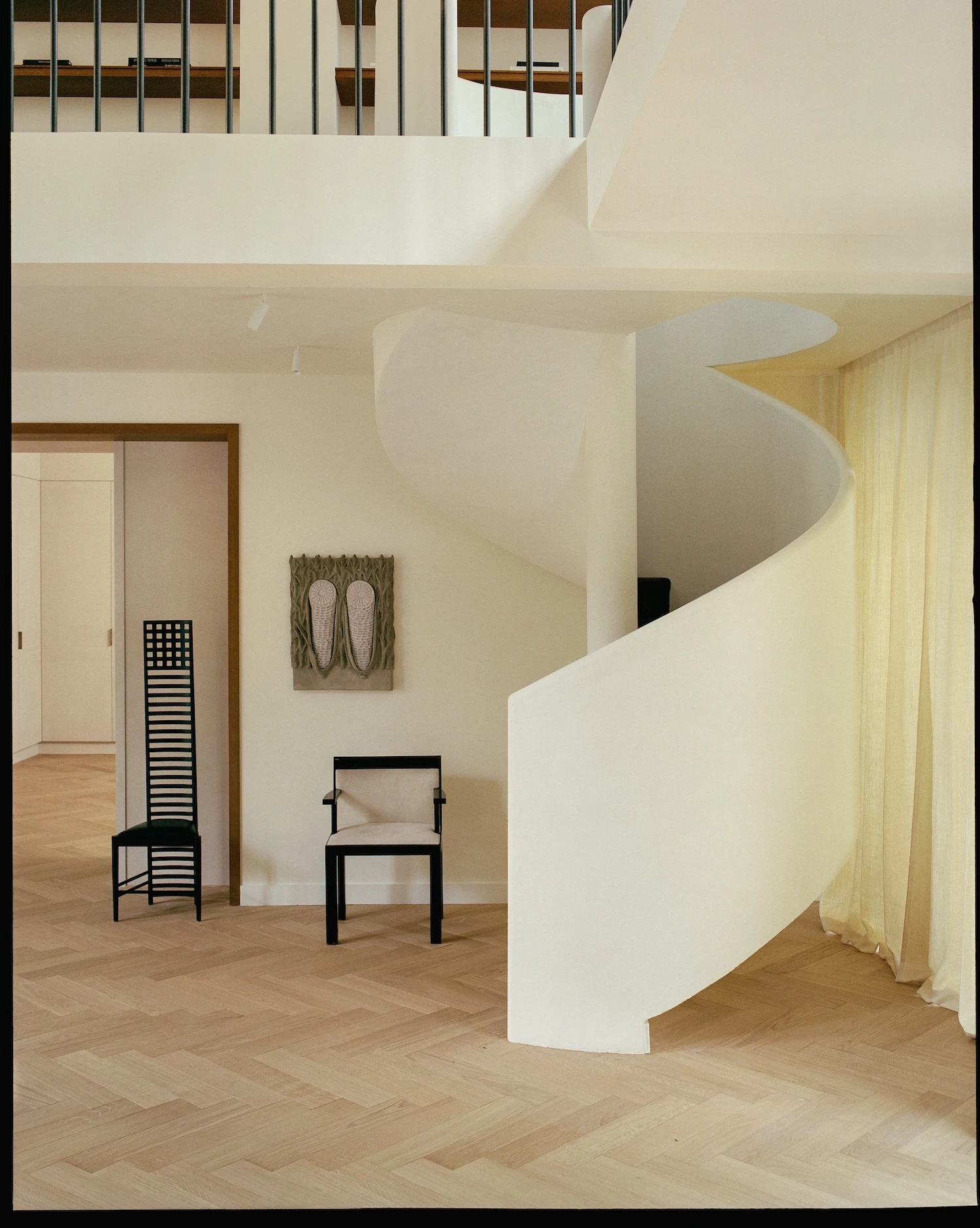
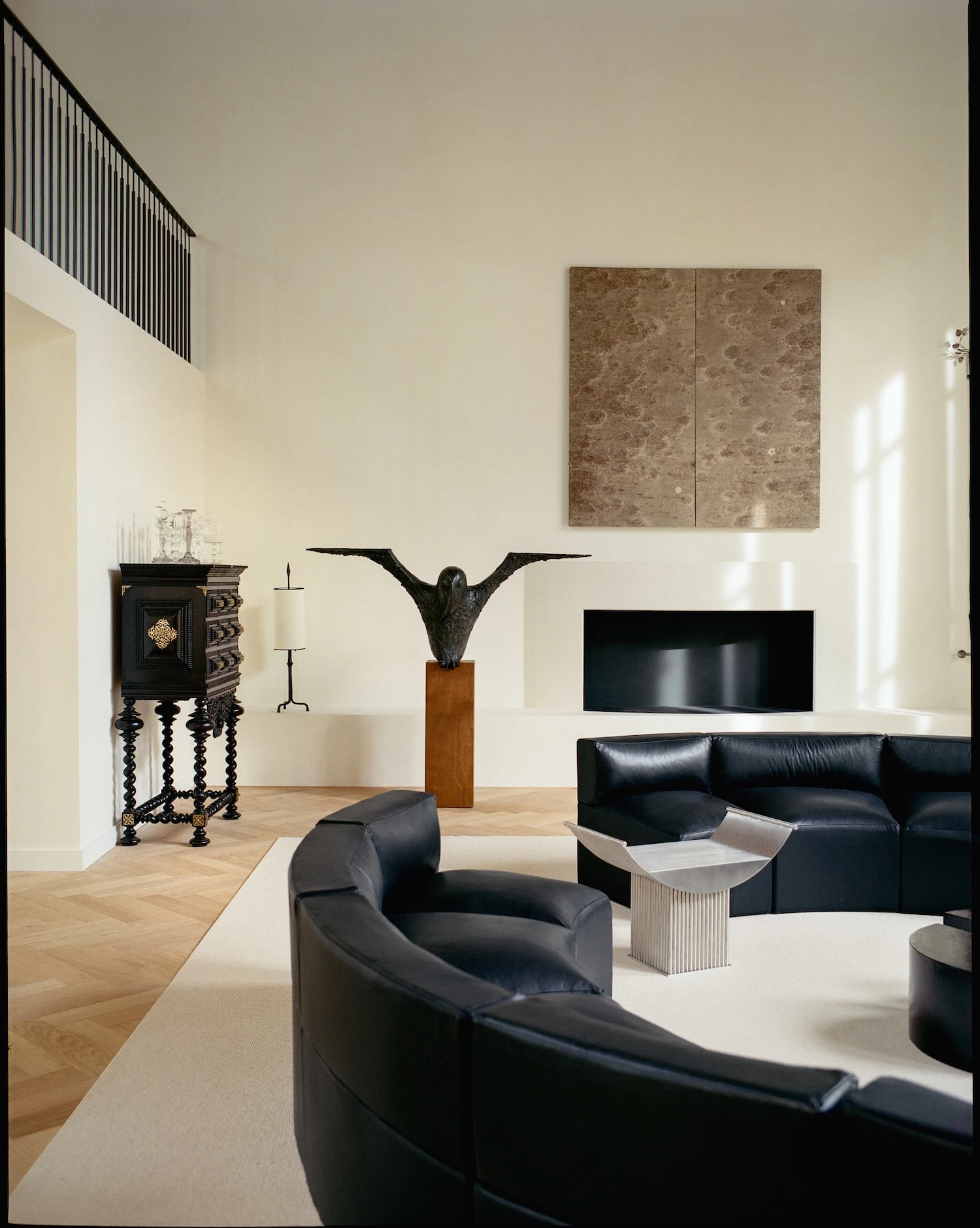
The façade keeps its pre-war white render, now refreshed with a marble-dust finish applied by hand in the traditional Parisian way. Windows were enlarged but kept in their original rhythm. Inside, walls wear a thin mineral coating that catches light like raw plaster; floors are narrow-strip oak laid in herringbone. A staircase in sculpted plaster rises in a single curve without visible supports in view.
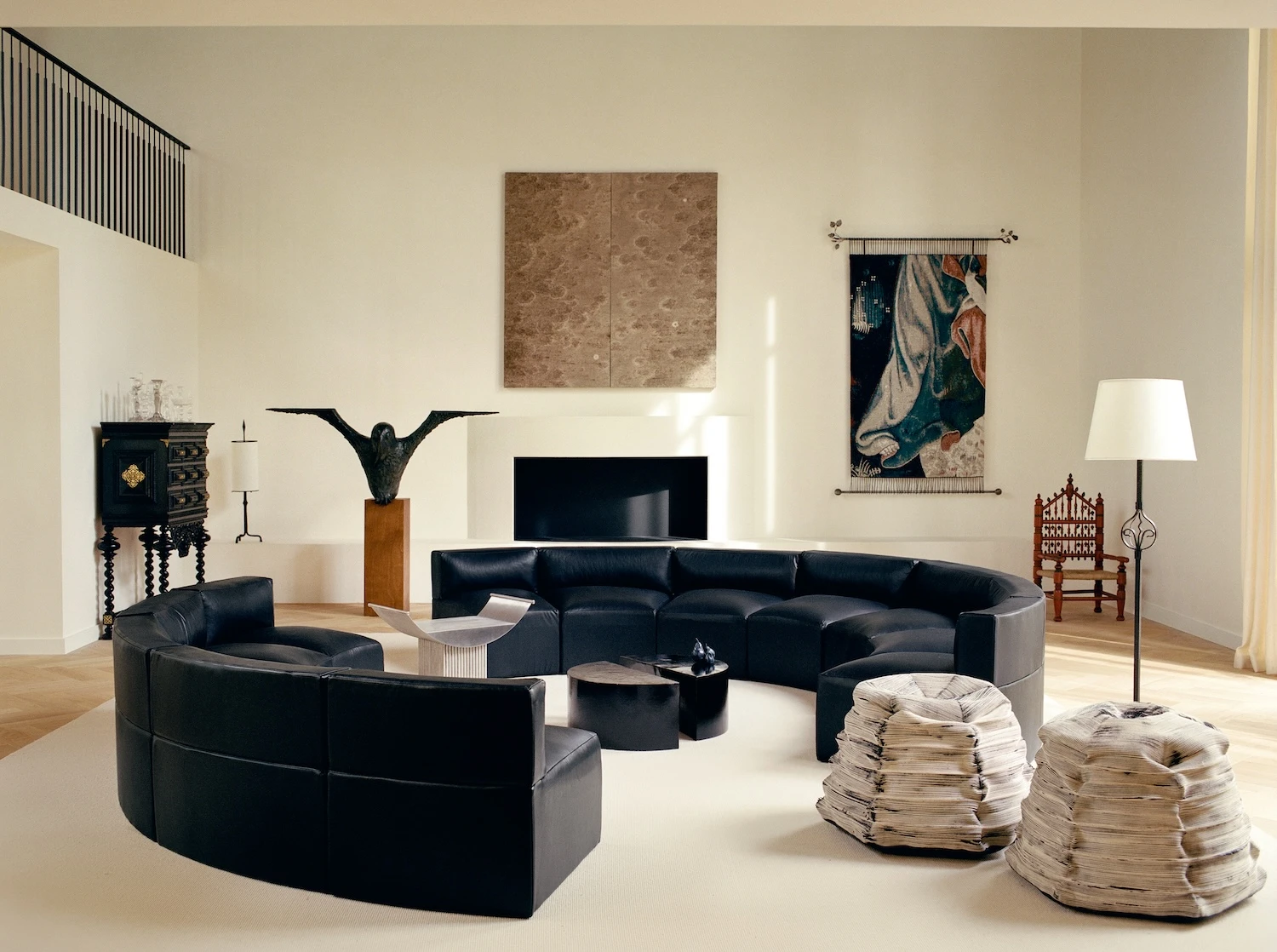
The main living level drops four steps into a conversation pit. Pargger upholstered the entire platform, backrests included, in reclaimed Hermès leather offcuts stitched together in irregular patches. The leather came from surplus production at the house in Pantin; each hide carries slight variations in color and grain, giving the pit the warmth of a much-used saddle. Seats are 45 cm deep, low enough to encourage long stays.
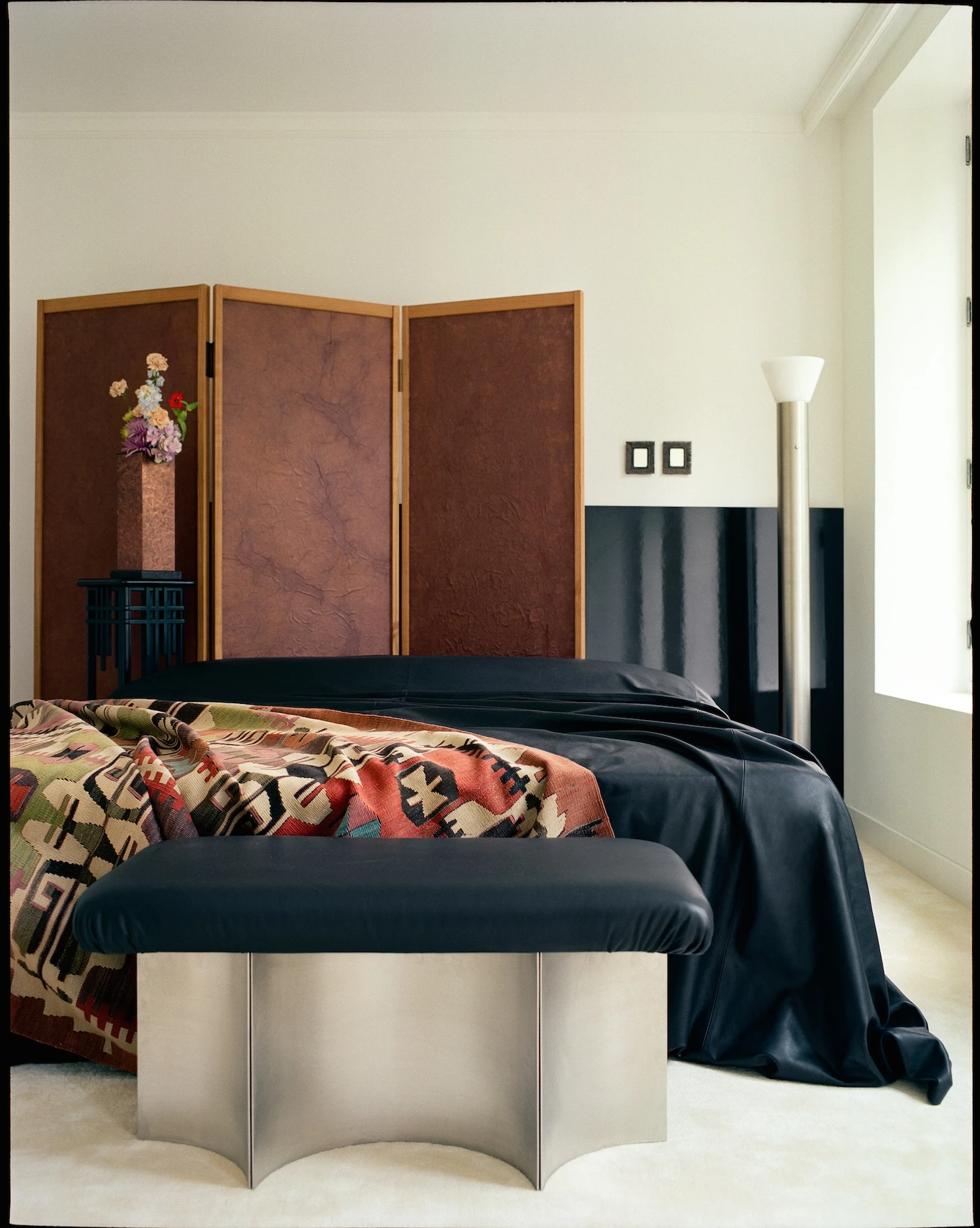
Light enters through a single restored skylight directly above the pit. During the day a narrow beam moves across the leather as the sun crosses the garden. The rest of the house remains calm: bedrooms on the upper floor, kitchen and dining behind a thick oak screen at ground level, all connected by views of foliage that appears and disappears depending on where you stand.
Villa N turns a once-forgotten modernist house into a quiet, material-rich retreat. Nothing shouts. Everything has been chosen, restored, or made once and made well.
Designer/Studio
Katja Pargger
Photo Credits
Clement Vayssieres