
Moon Canyon
A 1930s Los Angeles hunting shack preserved and updated by NoNo Studio
Date
September 29, 2025
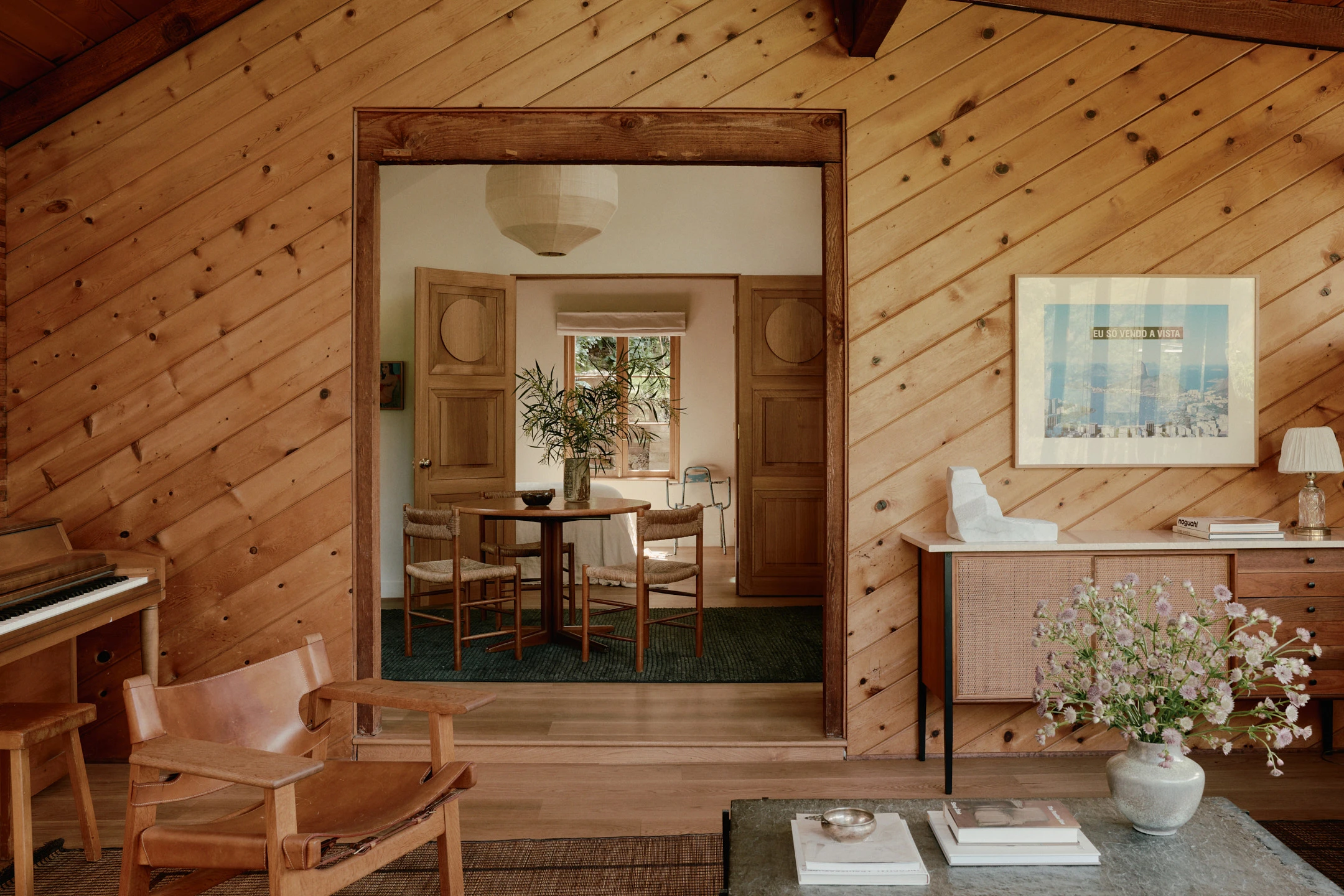
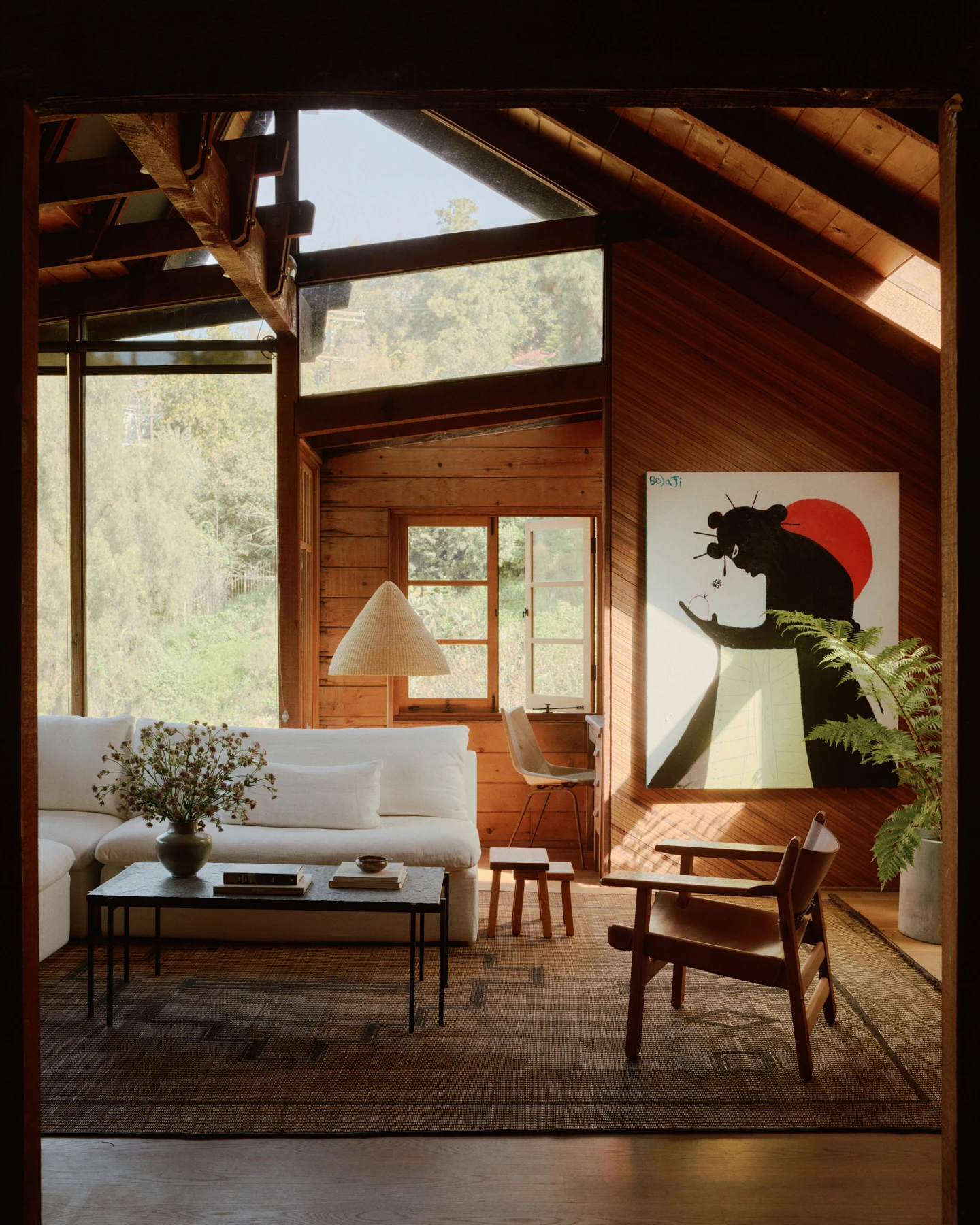
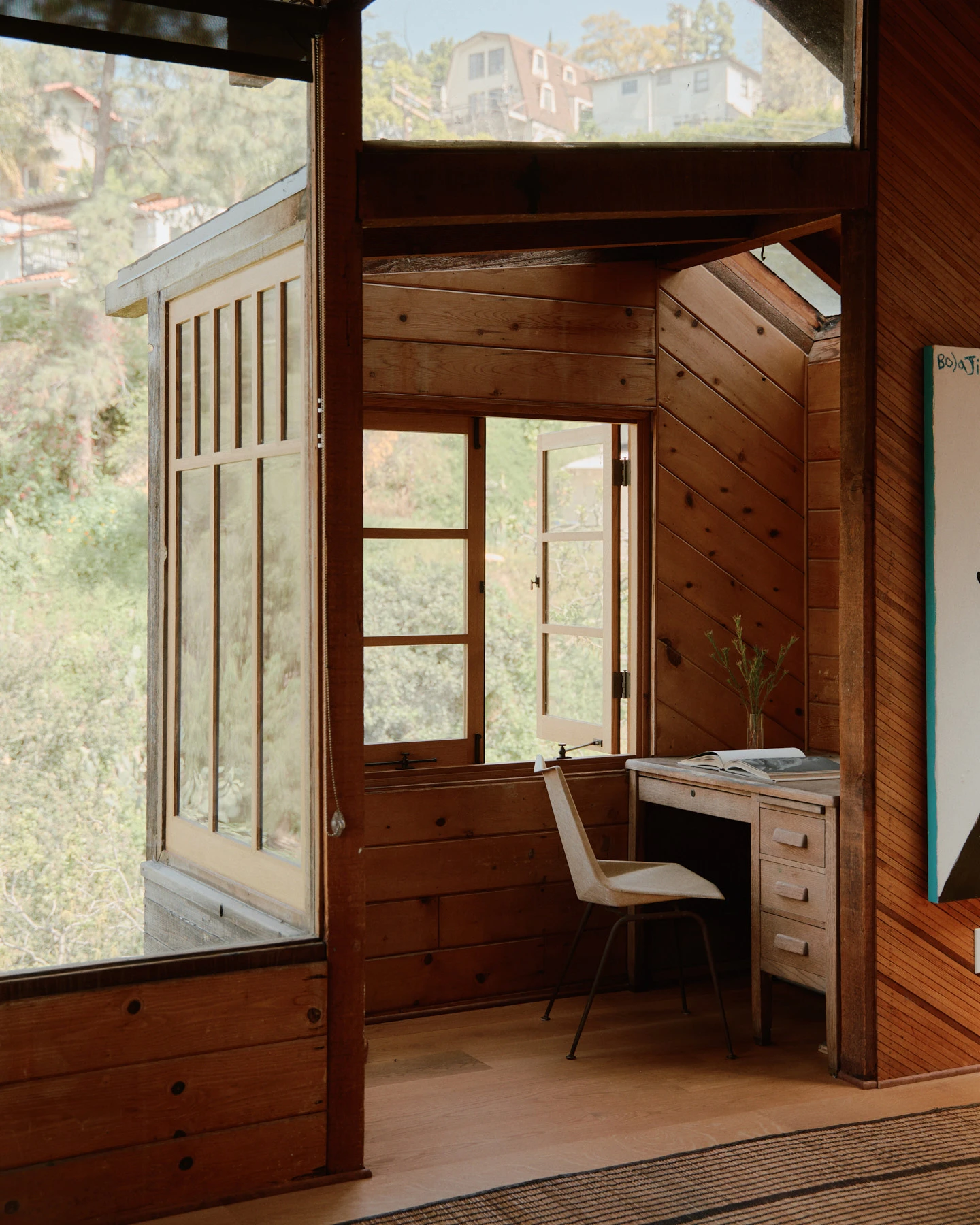
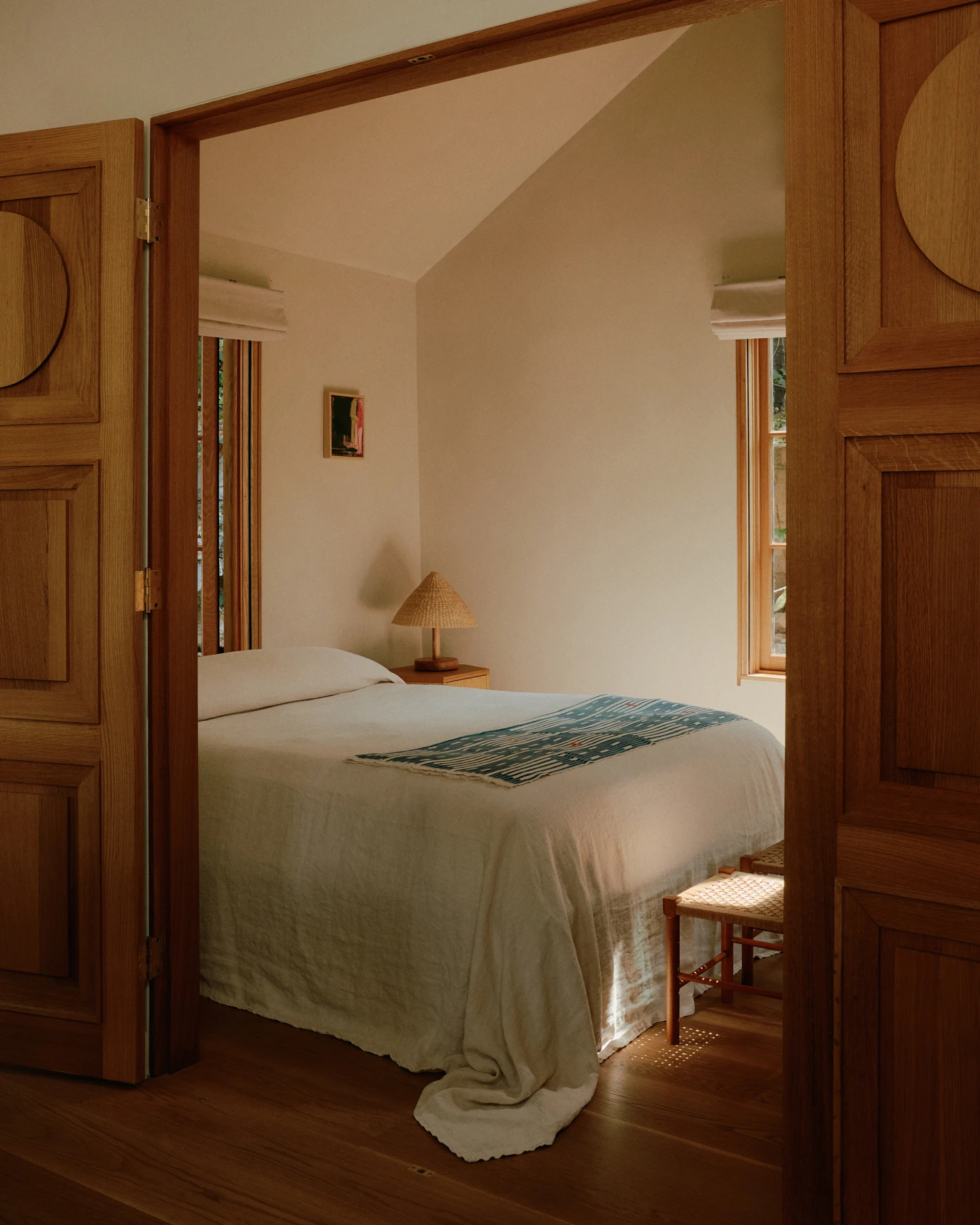
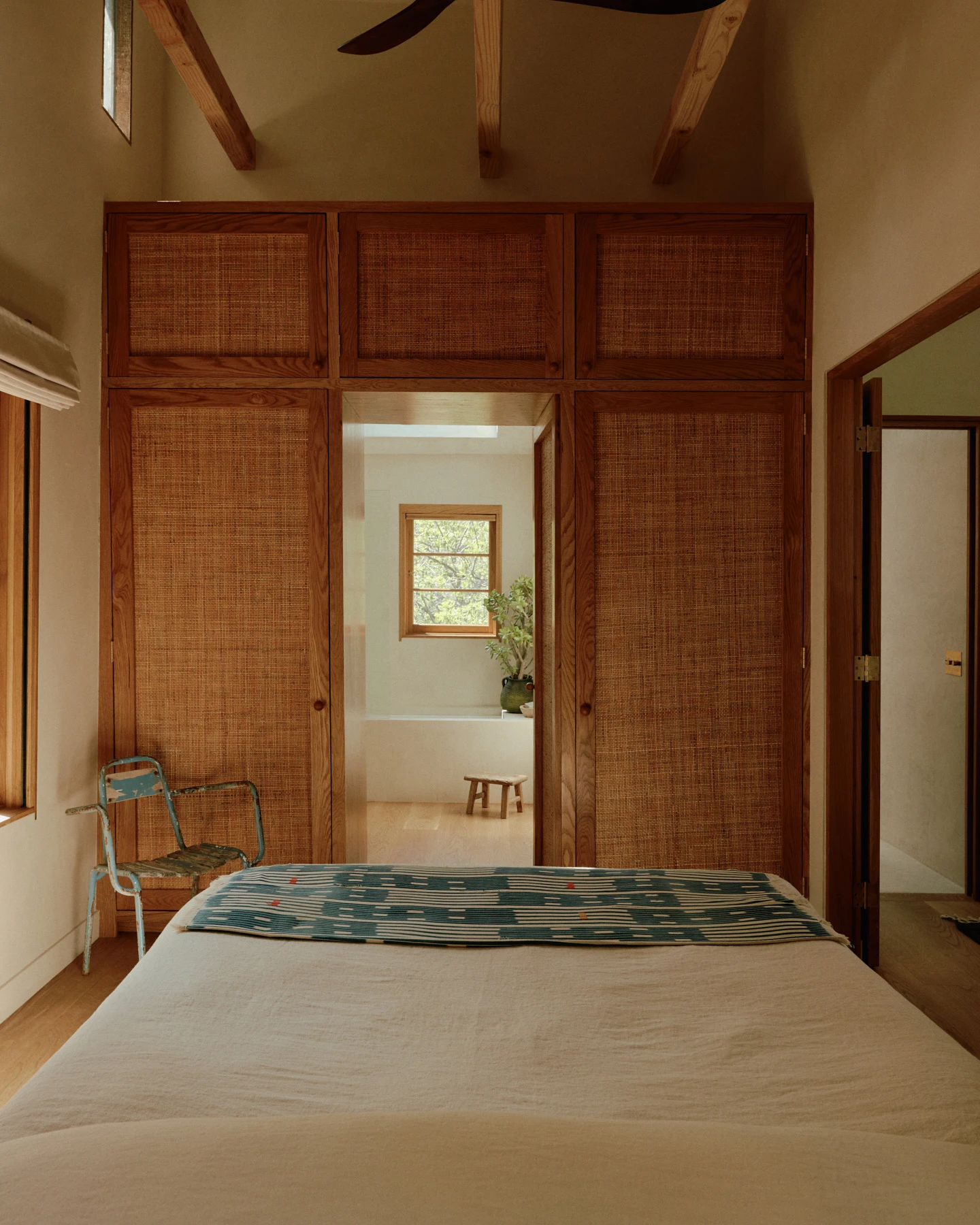
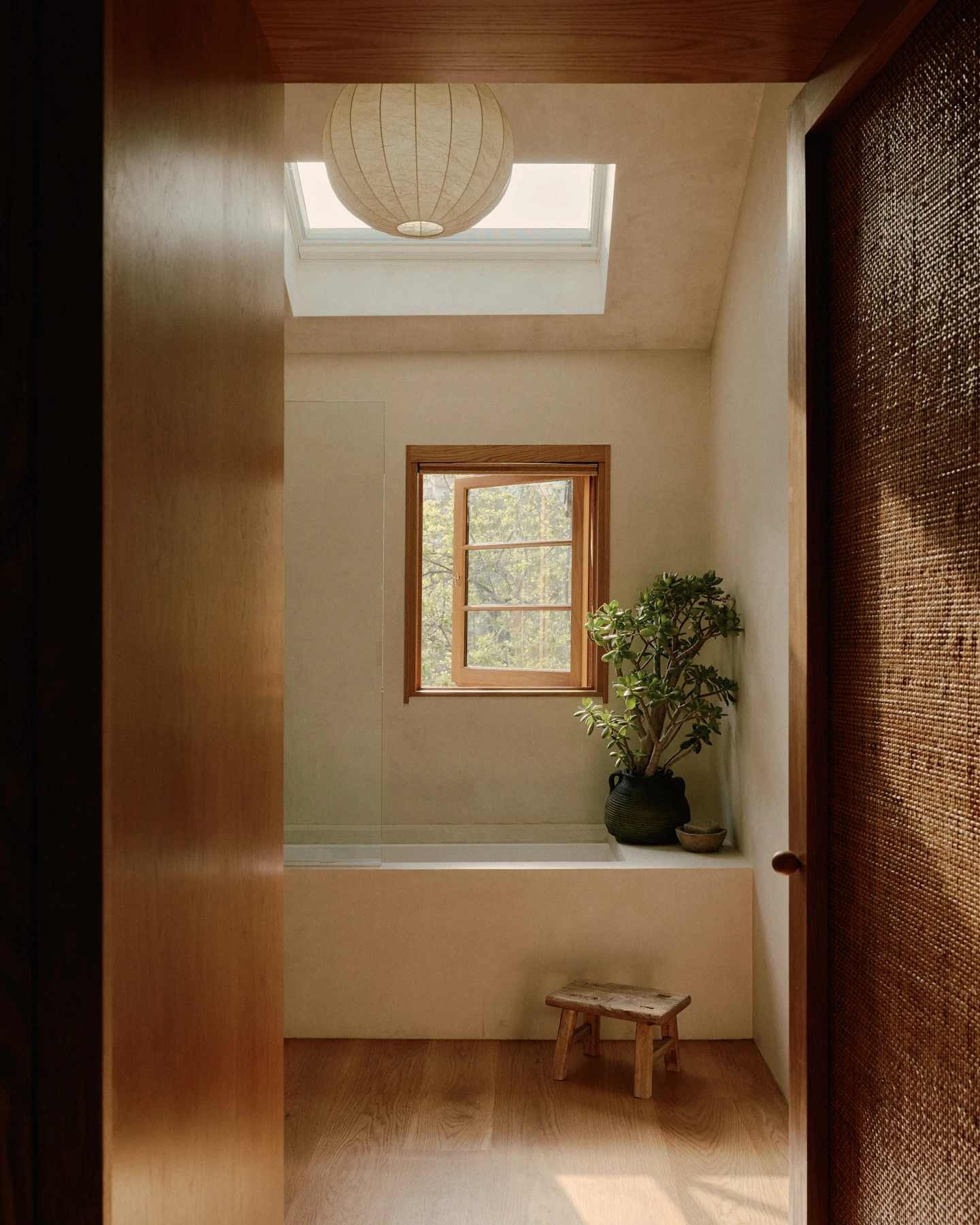
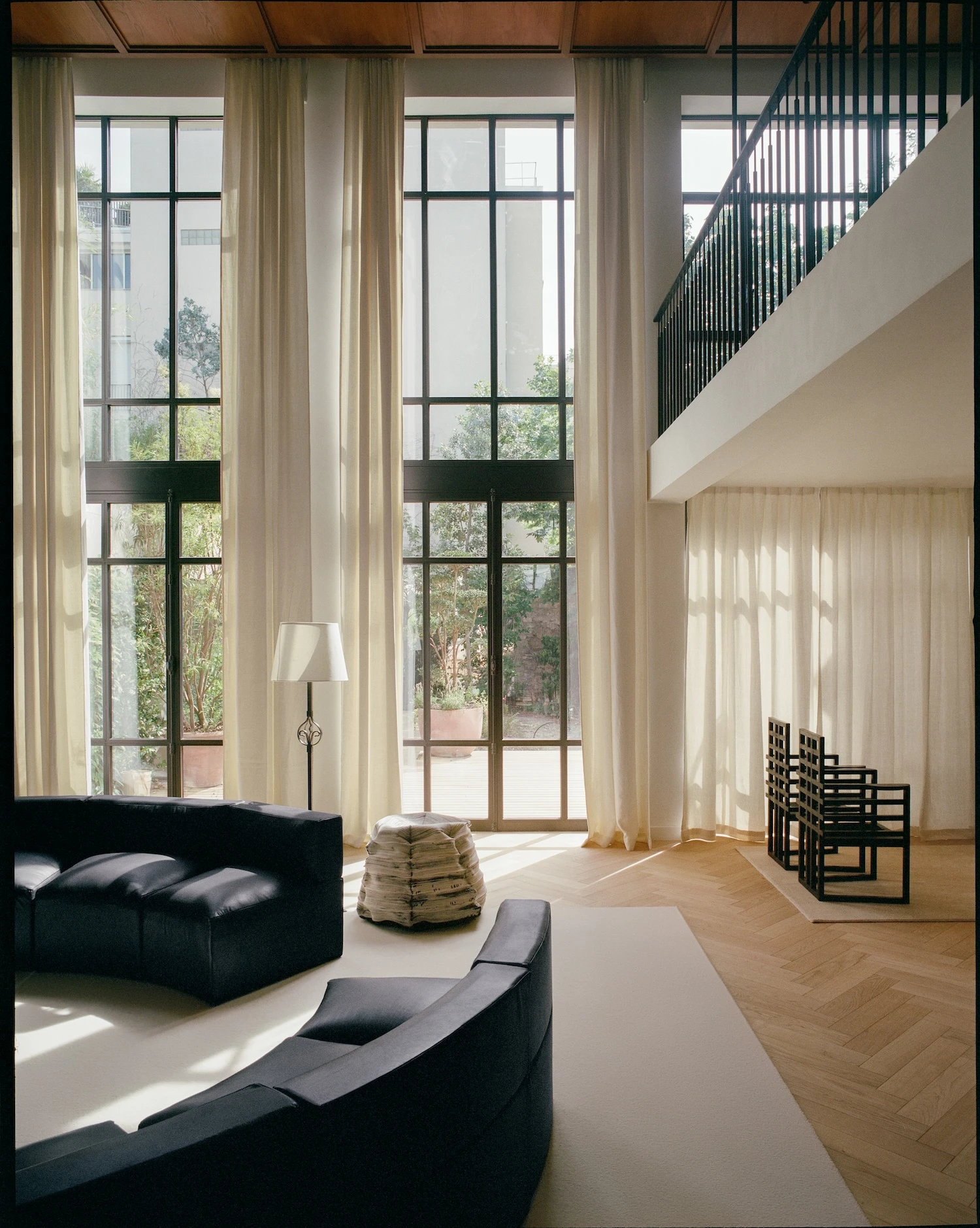
NoNo Studio renovated a 1930s hunting shack in Los Angeles that had remained untouched since the 1970s. Susannah Stopford and Alejandra Murillo chose to keep most of the original structure intact rather than gut it, working with what they found instead of against it.
The original cedar paneling stays throughout the house. Depression-era builders chose cedar for practical reasons: it resists decay and insects naturally. The wood has darkened and marked over ninety years, creating a surface pattern that new materials couldn't replicate. Each stain and scratch remains visible, documenting the building's use across decades.
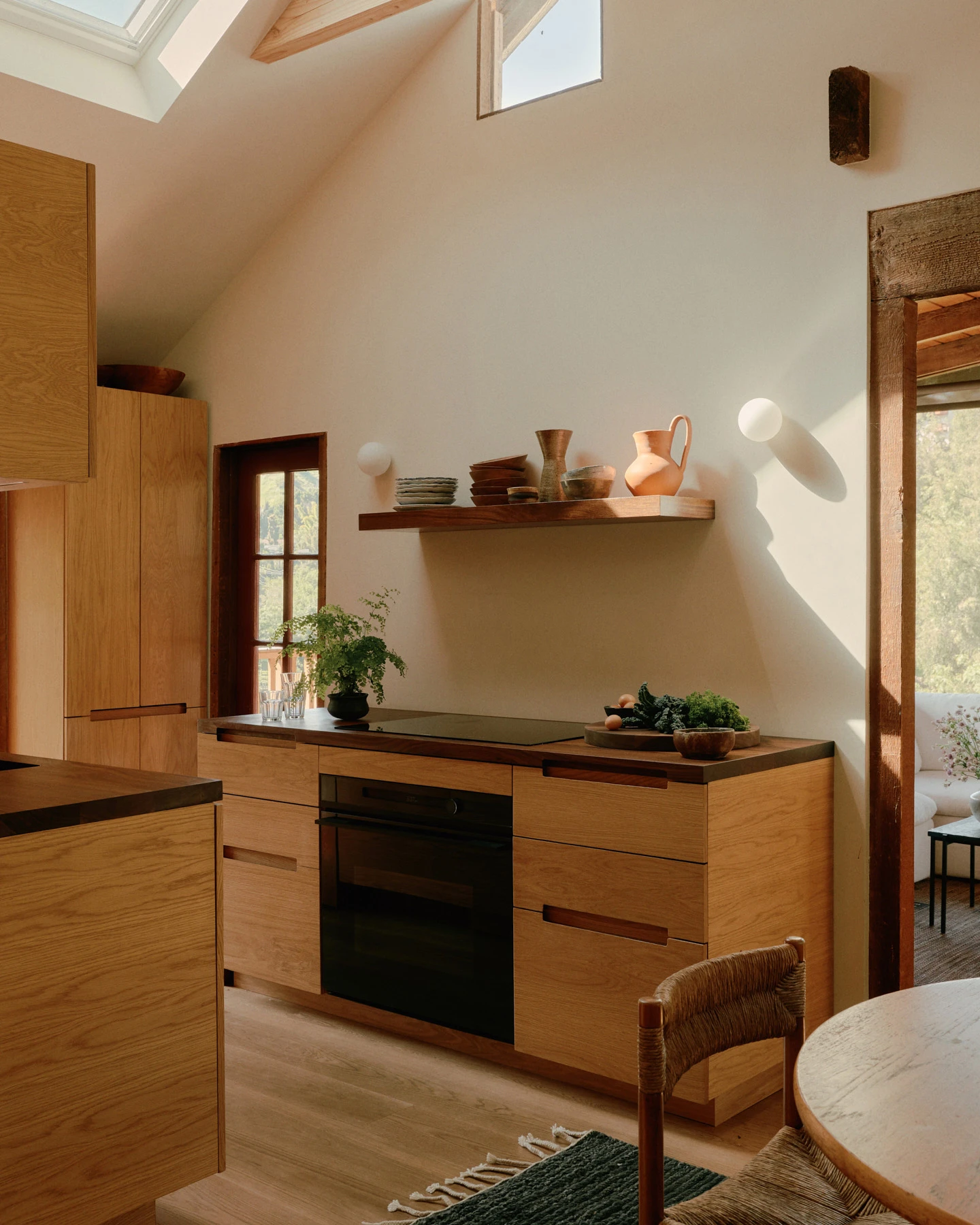
New elements include custom millwork in oak and walnut. Oak provides structural strength and pronounced grain, while walnut adds warmth and easier workability. The combination creates storage, shelving, and architectural details that fit within the existing framework. These additions don't try to match the aged cedar but sit alongside it as clearly contemporary insertions.
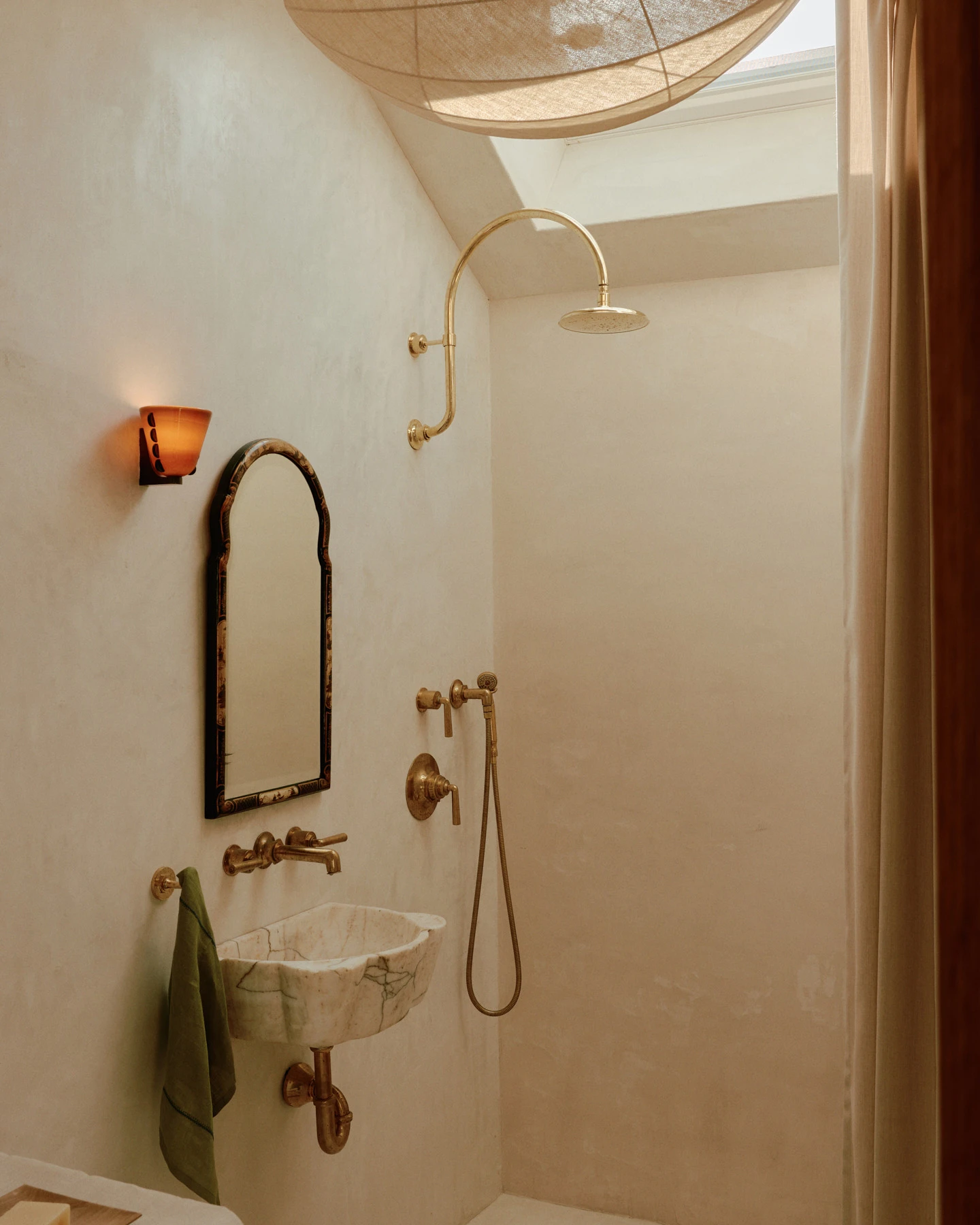
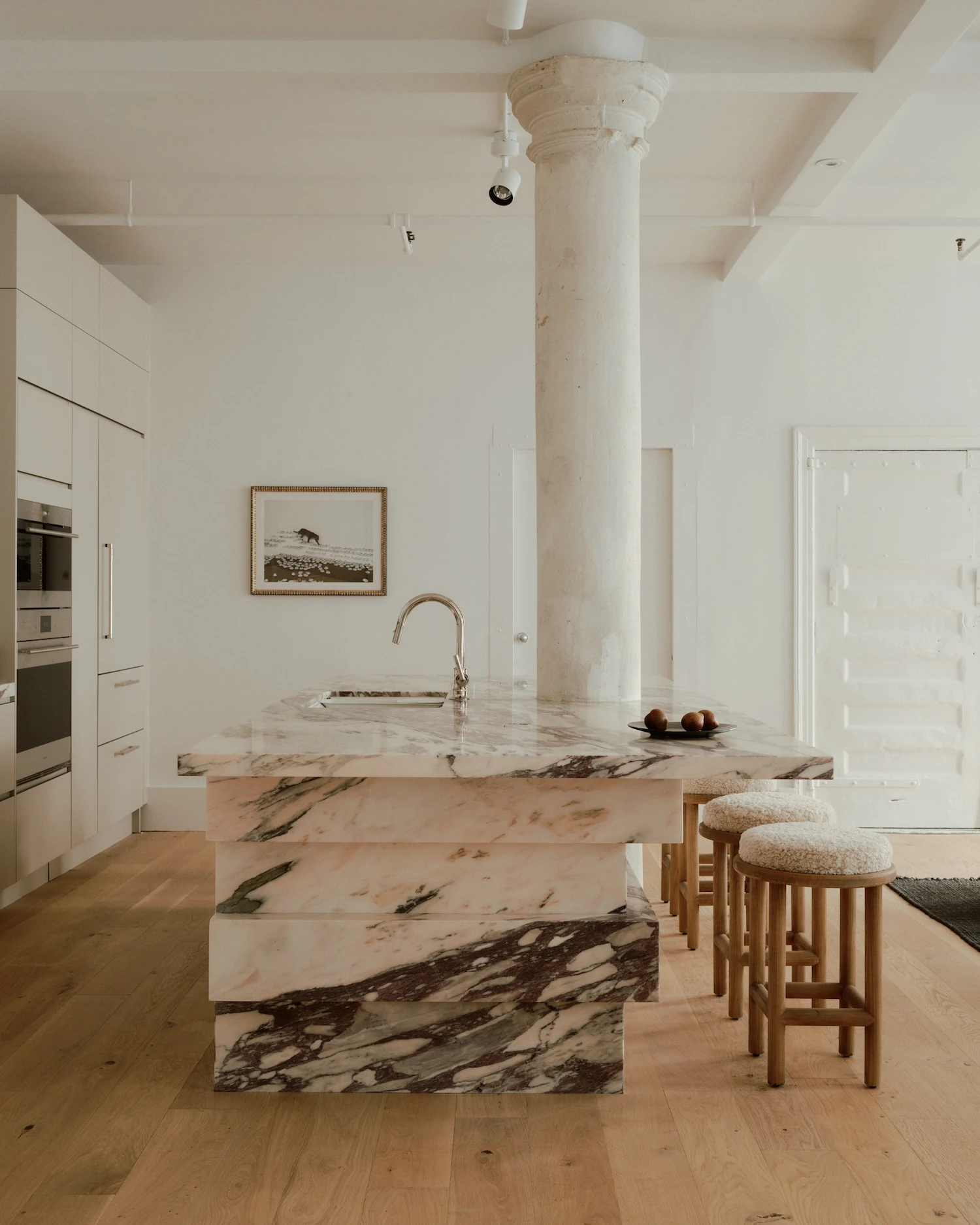
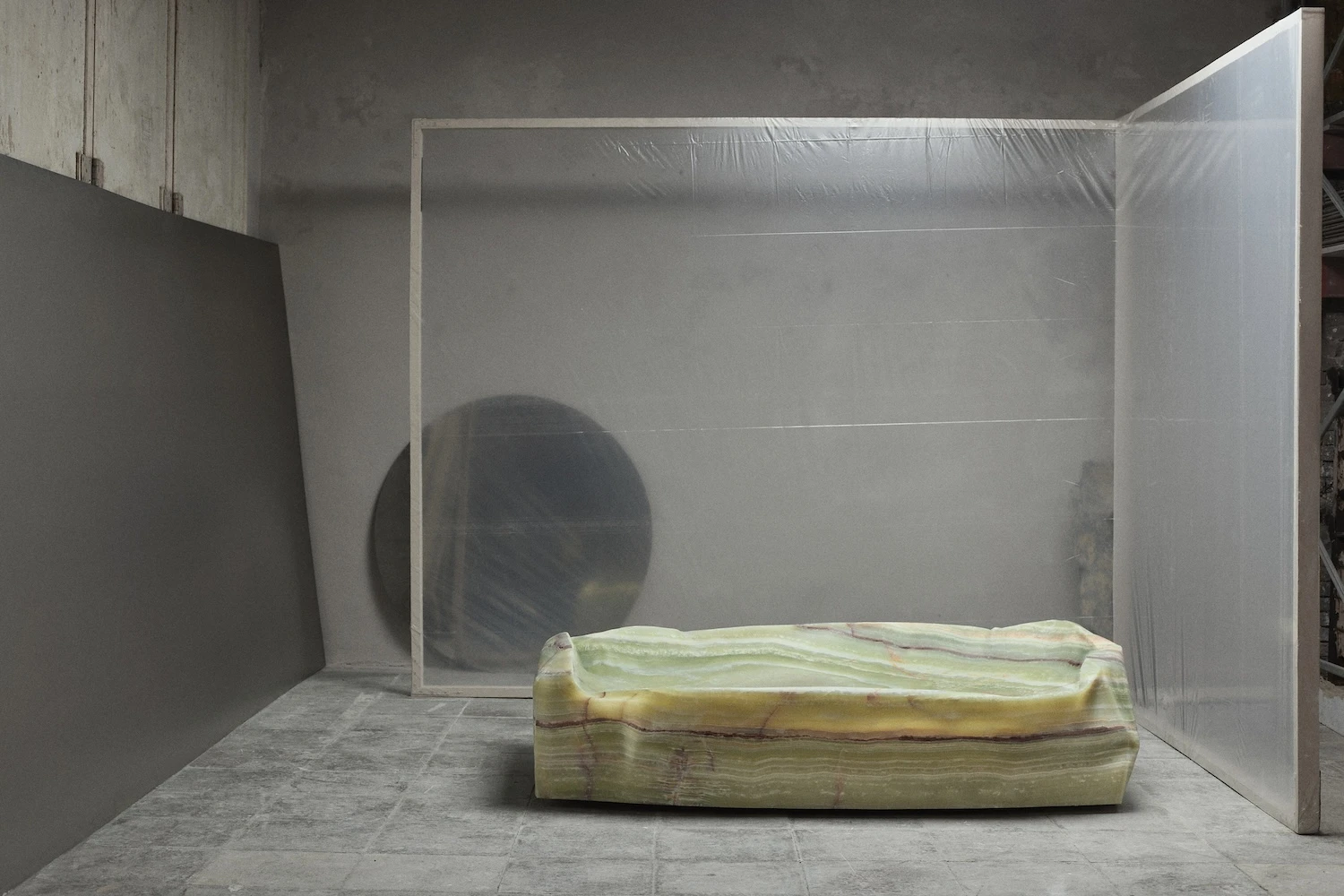
Italian marble sinks anchor the bathrooms and kitchen. The marble was selected for durability and cut to fit the compact spaces precisely. These pieces represent the primary luxury element in an otherwise restrained material palette. The renovation demonstrates how preservation can be an active design choice, treating existing materials as assets rather than problems to solve.
Designer/Studio
NoNo Studio
Photo Credits
William Jess Laird